
BASEMENT CRACK REPAIR TOTONTO

    Basement Crack Injection & Repair in Toronto

    Just found a crack in your basement wall? Most are sealed from the inside in one visit — polyurethane for leaks, epoxy for structure, no digging.

    Quick Answer

    Basement crack injection seals cracks in poured-concrete basement walls from the inside, in a single visit, without excavation. Leaking cracks are injected with expanding polyurethane that cures in water; structural cracks with bonding epoxy. Most Toronto-area basement cracks are repaired in one to two hours and covered by a transferable warranty.

    Pricing reviewed regularly

    Key Takeaways

    • Most basement wall cracks are normal shrinkage — but they are also the #1 way water gets in.
    • The crack’s direction tells the story: vertical is usually benign, horizontal never is.
    • Injection repairs the crack through the wall’s full thickness — no digging up your garden.
    • Fixed in one visit, warrantied, paintable the same day.

    Found a Crack in Your Basement Wall? Read This First

    Almost every poured-concrete foundation in the GTA cracks — concrete shrinks as it cures, and Toronto’s clay soils and freeze–thaw winters keep working the wall for decades afterward. A crack is not automatically a crisis. What matters is which kind you have.

    What Your Crack Is Telling You

    If you are unsure, photograph the crack next to a coin for scale and call — we will tell you over the phone whether it sounds urgent.

    What you see What it usually means Urgency
    Vertical or slightly diagonal, hairline–3 mm Curing shrinkage or minor settlement Low — but seal it before it leaks
    Vertical crack, wet or leaking after rain Shrinkage crack that has become a water path This week — water damage compounds
    White powdery deposits (efflorescence) Water is moving through it, even without visible drips Medium — moisture is already inside the wall
    Wider than 3 mm, or growing year over year Movement — needs diagnosis before repair High — assessment first
    Horizontal crack, or wall bowing inward Soil pressure overloading the wall Immediate structural assessment
    Stair-step cracks in block walls Differential settlement High — and block walls cannot be injected

    How We Repair Basement Cracks

    Leaking or damp cracks → polyurethane injection. Expanding, water-activated foam fills the crack full-depth and every hairline branch, stays flexible, and works even mid-leak.

    Structural cracks → epoxy injection. Once assessed as stable and dry, structural epoxy bonds the wall back to monolithic strength.

    What injection is not: hydraulic cement, caulk, or paint-on sealants. Surface patches fail on Toronto’s moving walls within seasons — much of our work replacing them was somebody’s cheap fix two years ago.

    What Is Included

    • Full crack inspection — plus a check of the other usual suspects (cove joint, window wells, grading) so you are fixing the actual leak source
    • Full-depth injection with commercial polyurethane or structural epoxy
    • Port removal and a flush, paintable wall surface
    • Written transferable warranty and repair documentation
    • Quoted separately: drywall access and restoration in finished basements, multiple-crack pricing, mould remediation referral if drywall shows growth

    Fit check: injection is for poured concrete walls. Block, brick, or stone foundation? The right fix is different — see basement leak repair — and we will tell you which wall type you have at the assessment.

    How It Works — 5 Steps

    1. Free assessment

    Diagnosis, wall-type check, written quote on the spot.

    2. Access

    In finished basements, the smallest drywall opening that exposes the crack.

    3. Injection

    Ports set, crack sealed and injected bottom-up to full depth.

    4. Finish

    Paintable surface same day; cleanup complete.

    5. Warranty

    Transferable certificate for your records and any future sale.

    Why GTA Homeowners Call Us First

    The proof behind every basement crack we seal.

    25+ Years of Foundation Repair

    Backed by the DryShield family — a quarter-century of GTA basements kept dry.

    Transferable Lifetime Warranty

    Injection repairs warrantied for life — and the warranty moves with the house when you sell.

    $5M Liability — Fully Insured

    Full commercial coverage on every job, every crew, every home.

    Subsidy-Eligible Contractor

    Eligible contractor for City of Toronto, Peel & Halton basement-flooding subsidy programs.

    Free Written Assessments

    Inspection, honest diagnosis, and an exact per-crack quote — free, no pressure.

    Fixed Written Quotes

    Your price is confirmed in writing before any work starts — no hourly surprises.

    Why Toronto Basements Crack More Than Most

    The GTA’s expansive clay swells against basement walls every wet season and pulls away in drought; Lake Ontario weather systems deliver freeze–thaw cycling well into April; and much of the housing stock’s poured foundations date from eras with faster pours and fewer control joints. The result: vertical shrinkage cracks are near-universal in GTA basements — and after a major storm, injection crews book out fast. Sealing a dry crack now costs less than drying a flooded rec room later.

    Pricing is per crack — see real ranges on the cost page. Additional cracks on the same visit cost less each. Not sure it is a crack at all? Start at basement leak repair, or read the full crack injection guide.

    Basement Crack Repair FAQ

    Are cracks in basement walls normal?
    Mostly, yes — nearly every poured foundation develops shrinkage cracks as the concrete cures, and Toronto’s clay soils add seasonal movement on top. Normal doesn’t mean ignorable, though: vertical shrinkage cracks are the most common water-entry path in GTA basements. Seal them before they leak; assess them if they’re wide, growing, or horizontal.
    When should I worry about a basement crack?
    Worry-signals: horizontal orientation, inward bowing, width over about 3 mm, visible growth season to season, stair-step patterns in block, or doors/windows above starting to stick. Any of those calls for a structural assessment before repair. A narrow vertical crack that leaks is urgent for water reasons, not structural ones.
    My crack only leaks during heavy rain — do I still need it fixed?
    Yes — an intermittent leak is a crack that has already connected to outside water; every storm pushes moisture through the wall whether you see a puddle or not. It’s also the cheapest possible time to fix it: a controlled injection now versus soaked drywall, flooring, and mould remediation after the next 100-mm storm.
    Can you fix a crack behind finished drywall?
    Yes. We open the smallest section needed to expose the crack, inject to full depth, and can quote drywall restoration or leave the closure to your contractor. Signs a hidden crack is leaking: bubbling paint, baseboard staining, musty smell in one corner, or efflorescence at the slab edge.
    My house is new — why is the basement cracking?
    New concrete shrinks as it cures, and most shrinkage cracks appear in the first one to three years — often after the first winter. Builder warranties (like Tarion coverage) may apply to some foundation defects; check your coverage timelines. Either way the repair method is the same, and injection doesn’t void anything — it’s the standard remedy.
    Will sealing one crack make others leak?
    No — injection fills one crack; it doesn’t redirect water pressure to the rest of the wall in any meaningful way. What’s true: if your wall has several cracks, water finds the easiest one first, so we inspect the full wall and quote everything visible — cheaper per crack in one visit, and no surprises next spring.
    Do I have mould if my basement crack has been leaking?
    Possibly, if moisture has been reaching organic materials (drywall, wood framing, carpet) for a while. The crack repair stops the source; if we see growth on finished materials during access, we’ll flag it — remediation is a separate trade, and we’d rather point you right than pretend it isn’t there.
    How soon can you come?
    Most GTA assessments book within days, and many single-crack repairs are completed at the assessment visit itself if you approve the quote on the spot. After major storms lead times stretch — another argument for fixing known cracks in dry weather.

    Found a crack today? Get it assessed this week — free.

    Photograph it, call (800) 371-5302, and we will tell you how urgent it sounds before you book anything. Written quote on-site · one-visit repair · transferable warranty.

    How much is the average cost of a basement repair?

    The basement crack repair cost ranges based on the type of method and materials used. Sometimes it may be less or more, depending on the severity of the fissures. There are two ways to fix these fissures. The first method uses crack injections and then waterproofing. The cranny is injected with epoxy or urethane to prevent water from leaking. ConcreteCrackRepair.ca can fix and waterproof the fissure on the exterior of the basement without removing the drywall or the insulation. Our estimation and inspection to mend the damages are reasonable, cost-effective, and suit your budget. Our seasoned professionals will carefully inspect how your house deals with water leakage problems, find the root cause of the fissures and fix them at the most competitive prices. If your home needs a professional reconstruction, you need to give it a new look, and you want affordable service, contact us today!

    Our basement crack repair process

    Basement crack repair isn’t just another household chore—it’s a smart move to stop water damage, protect structural integrity, and keep property values climbing across Canada’s wet seasons. Curious how we tackle every crack with precision? Check out our step-by-step process below to see exactly how we get the job done right.

    01

    Inspection

    We examine basement walls, floors, windows, and doors, mapping hairline cracks, wide cracks, and horizontal cracks. Moisture meters and flashlights reveal hidden basement leaks, loose concrete, and early signs of structural problems.

    02

    Surface Prepration

    Our technicians wire-brush debris and dust, vacuum concrete surfaces, and bevel small cracks for better bonding. Clean substrates ensure that concrete crack filler, hydraulic cement, or epoxy adheres to the foundation wall.

    03

    Port Placement

    Injection ports are glued with crack sealer along the full crack length. Proper spacing lets low-pressure epoxy injection travel deep, fill voids, and seal basement leaks without damaging finished areas.

    04

    Exterior Seal

    A quick-cure surface epoxy forms a gasket that contains injection pressure. This barrier stops resin from escaping, protects adjacent concrete walls, and prevents radon gas and water from re-entering the crack.

    05

    Crack Injection

    We inject expanding resin from the bottom to the top using a professional caulking gun. The epoxy fills, bonds, and restores structural integrity, creating a long-lasting repair inside concrete structures and foundations.

    06

    Carbon Reinforcement

    Carbon-fibre staples or straps lock both sides together for structural cracks. Combined with epoxy, this upgrade resists soil pressure, prevents more cracks, and strengthens the basement foundation for decades.

    07

    Finishing

    Ports are clipped off, and hydraulic mortar feathers the edges for a smooth surface. We tint the patch so the repaired concrete matches the surrounding wall, leaving no rough spots to catch dust or moisture.

    08

    Quality Check

    After curing, we pressure-spray water to verify a perfect seal. Technicians re-inspect adjacent areas, ensuring no new wall cracks, basement leaks, or surface bulges threaten future structural integrity.

    09

    Cleanup & Report

    Worksite is swept, vacuumed, and debris removed. Homeowners receive photos, maintenance tips, and a transferable warranty covering each injected crack, crack repair kit materials, and labour across Canadian climates.
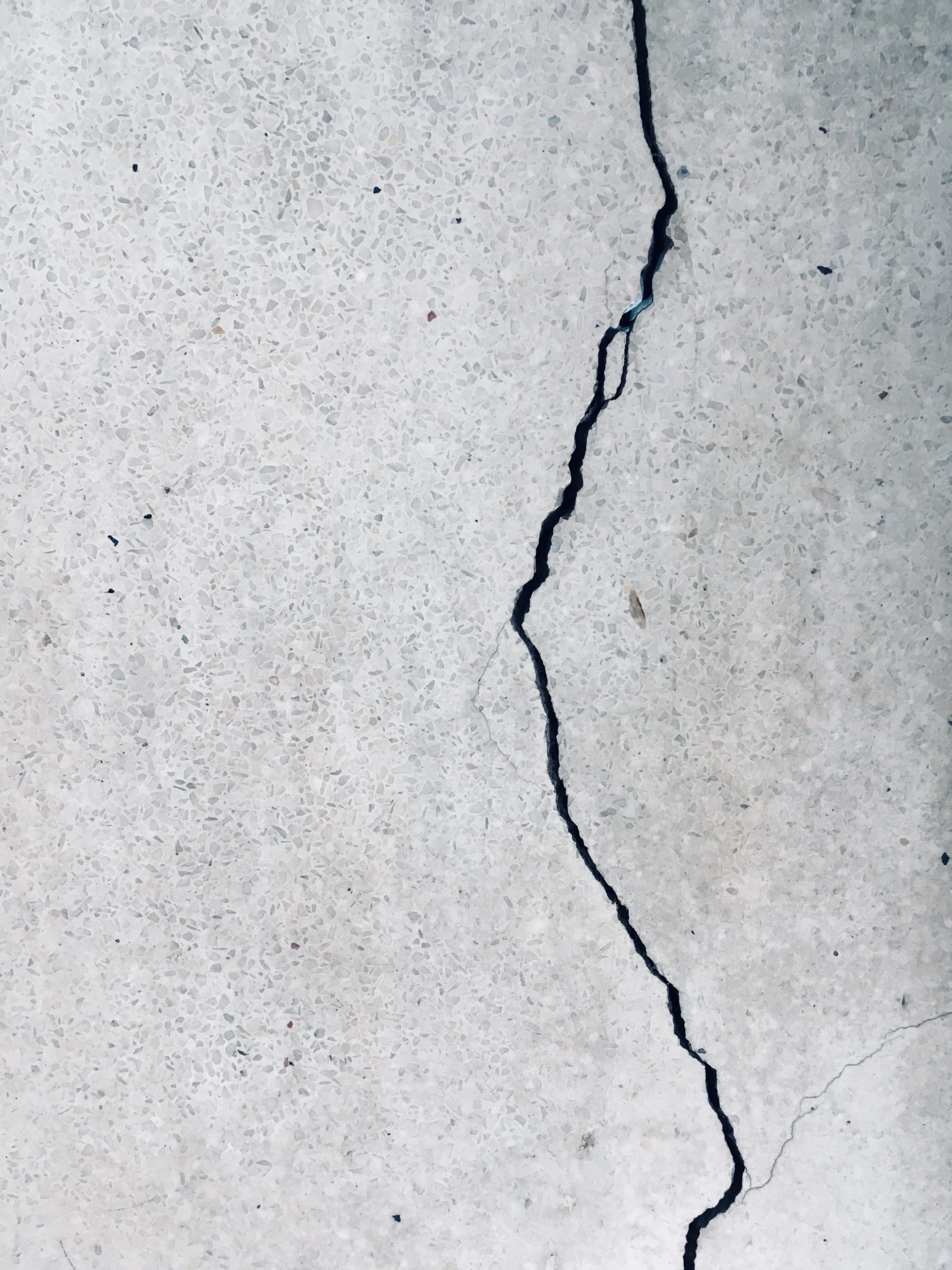

    Signs that you need basement foundation crack repair

    1. Water stains along concrete walls after storms indicate basement leaks that demand crack repair.
    2. Musty odours and damp floors show moisture seeping through foundation cracks, risking mould.
    3. Efflorescence, a white powder on concrete surfaces, signals ongoing water damage and mineral wash-out.
    4. Horizontal cracks as wide as a toonie reveal exterior soil pressure compromising structural integrity.
    5. Hairline cracks lengthening upward beside basement windows suggest settling that widens with freeze–thaw cycles.
    6. Doors or windows suddenly sticking hint that the foundation wall has shifted due to unresolved structural problems.
    7. Loose concrete or flaking paint around wall cracks points to prolonged moisture and failing surface bonds.
    8. Visible daylight or drafts through any crack confirm significant movement requiring immediate basement crack repair.
    9. Uneven basement floor slabs paired with vertical cracks mean soil voids and need professional epoxy crack injection before costly heave.
    basement crack repair Toronto

    Why choose us?

    • Local Expertise: Our technicians understand frost, soil, and building codes.
    • Complete Solutions: We handle hairline to structural cracks using epoxy, hydraulic cement, and carbon fibre.
    • Professional Gear: Commercial injection equipment, crack repair kits, and moisture diagnostics ensure durable bonds.
    • Transparent Quotes: Fixed pricing—no hidden extras—for homeowners and property managers.
    • Clean Work: Dust control, careful prep, and thorough cleanup keep basements neat.
    • Lifetime Warranty: Transferable coverage boosts resale value for investors.
    • Rapid Response: Emergency service stops water leaks fast.
    Frequently Asked Questions

    Why do cracks appear in basement walls or floors?

    Cracks can develop due to natural settling, temperature changes, soil pressure, or water buildup. In Canada, the expansion and contraction of frozen ground is a major cause of basement cracks.

    Is a cracked basement wall a serious problem?

    It depends on the crack. Hairline cracks are usually not serious, but wide, deep, or leaking cracks can cause water damage, mold growth, and structural issues. It is best to have a professional inspect any significant cracks.

    Can I repair basement cracks myself?

    Small surface cracks can be sealed with DIY products, but leaking or deep cracks require professional repair. Experts use injection methods that seal the crack from the inside and prevent further problems.

    How are basement cracks repaired?

    Most basement cracks are repaired by injecting polyurethane or epoxy into the crack. Polyurethane is the best option for stopping water seepage because it expands and seals the crack completely. Epoxy is mainly used when structural strength needs to be restored. These materials prevent leaks and protect the basement even if the concrete moves slightly.

    How much does it cost to repair a basement crack in Canada?

    Repair costs generally range from $500 to $1,500 per crack, depending on size and severity. Cracks that leak or require excavation may cost more. A professional inspection provides an accurate estimate.

    Can water leak through small cracks in the basement?

    Yes, even small or thin cracks can allow water to seep in, especially during heavy rain or snowmelt. Early sealing of cracks is important to avoid moisture problems and mold growth.

    How long does a basement crack repair last?

    When repaired professionally with quality materials, basement crack repairs can last many years. Polyurethane is flexible and durable, making it well-suited for Canadian homes where soil shifts and moves.

    FOR A FREE ON-SITE ESTIMATE, CONTACT US TODAY

      FOR A FREE ON-SITE ESTIMATE, CONTACT US TODAY